

Evening Update: The Trump Rollercoaster - Threats, Deals, and a World Left Guessing
As Washington and Tehran inch toward an agreement, markets swing wildly and the Middle East remains trapped between diplomacy and disaster.

Small Bites is a reader-supported publication. To receive new posts and support my work, consider becoming a paid subscriber.
Hey Small Biters,
For months, the world has watched Donald Trump’s negotiations with Iran unfold like a high-stakes reality show. One day comes a warning of devastating military strikes. The next arrives a promise that peace is just around the corner. Markets surge, then tumble, then surge again, while millions of people are left wondering which version of events is actually real.
This week provided another dramatic chapter. Trump warned that Iran could face a punishing military attack, language that immediately rattled investors and sent oil prices climbing. Only hours later, he announced that strikes had been canceled and suggested a breakthrough agreement was close at hand.
The abrupt reversal once again highlighted the unpredictability that has become a defining feature of the administration’s foreign policy. Threats and optimism now arrive almost simultaneously, creating confusion not only among allies and adversaries but also among businesses, consumers, and global markets.
According to reports, this is far from the first time Trump has declared a deal with Iran to be imminent. Similar predictions have surfaced repeatedly over the past several years, often accompanied by warnings of military escalation if negotiations fail.
The pattern has become familiar. Markets react instantly. Oil prices jump or fall. Investors scramble. Political commentators speculate. Then everyone waits for the next statement that may completely reverse the previous one.
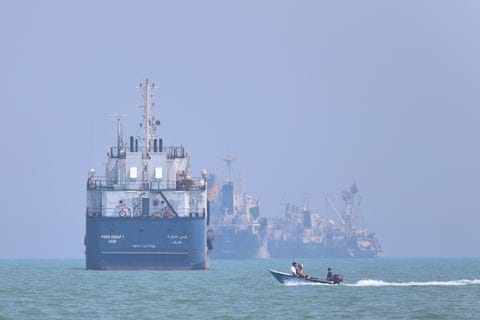
The economic consequences are not theoretical. Every threat against Iran raises concerns about the Strait of Hormuz, one of the most important energy chokepoints on Earth. Any disruption there can ripple through fuel prices, shipping costs, and inflation across the globe.
Even as rhetoric dominates the headlines, negotiators continue searching for a path forward. Behind the scenes, officials from both countries are reportedly working on a limited memorandum of understanding designed to reduce tensions and prevent further escalation.
The immediate focus is not a grand peace treaty. Instead, negotiators are reportedly attempting to create a framework that would reopen trade routes, reduce military risks, and create breathing room for future discussions on nuclear issues.
Money remains one of the biggest obstacles. Iran wants access to billions of dollars in frozen assets before making major concessions. Tehran argues that it has little reason to trust Washington after previous agreements were abandoned.
American officials see the situation differently. They want measurable actions from Iran before any significant financial relief is provided. The disagreement reflects years of mistrust that neither side has been able to overcome.
The challenge for Trump is especially political. During his first term, he fiercely criticized President Barack Obama’s nuclear agreement with Iran and repeatedly attacked the release of Iranian assets tied to that deal.
Now his administration faces a difficult balancing act. Any arrangement that resembles those earlier agreements could provoke criticism from political allies who spent years condemning them.
Nuclear issues remain another major sticking point. American negotiators reportedly want strict limits on uranium enrichment and clear commitments that would prevent Iran from moving toward nuclear weapons capability. Iranian officials appear to favor broader language and fewer specific obligations.
Both sides continue to present different versions of what progress actually looks like. That uncertainty helps explain why markets remain so sensitive to every public statement. Investors understand that the consequences of success or failure are enormous.
Some economists describe it as the “known liar problem.” Even if traders heavily discount political statements, the stakes are so large that even partially believed comments can move billions of dollars. Meanwhile, life inside Iran continues under extraordinary pressure.
Years of sanctions, inflation, economic instability, and conflict have battered ordinary citizens. Many Iranians struggle with rising costs while political leaders focus on geopolitical battles. Ironically, some analysts believe peace could create new problems for the Iranian government. Without an external enemy to blame, public frustration may increasingly focus on domestic leadership and economic conditions.
The administration’s critics argue that Trump’s negotiating style contributes to instability rather than clarity. Sudden changes in position, unexpected demands, and public threats have repeatedly complicated efforts to finalize agreements.
Supporters counter that unpredictability is part of the strategy. They argue that keeping opponents off balance increases American leverage and forces concessions that traditional diplomacy might never achieve. The reality may lie somewhere between those competing interpretations.
What remains clear is that neither side has achieved a decisive victory. Iran’s government remains intact despite immense pressure. The United States has failed to secure the sweeping concessions many hawks demanded. As a result, both countries appear trapped between two unsatisfying choices: a costly military confrontation or a messy compromise that neither side can fully celebrate.
Some voices in Washington continue pushing for more aggressive military action. They argue that additional strikes could weaken Iran further and force capitulation. Others warn that escalation would risk wider regional conflict, economic turmoil, and potentially years of instability throughout the Middle East. Trump appears caught between those competing camps. At times he sounds ready to strike. At other moments he sounds eager to declare victory through diplomacy.
That tension helps explain the constant shifts in messaging. For now, negotiators continue talking, diplomats continue bargaining, and investors continue reacting to every new statement. The world waits to see whether the next headline announces peace, another crisis, or simply another turn on a political rollercoaster that never seems to stop.
One truth remains impossible to ignore: every dramatic threat and every optimistic prediction carries consequences far beyond Washington and Tehran. Entire economies, global energy markets, and millions of ordinary families are riding along whether they signed up for the journey or not.
✍️
A tweet becomes a tremor.
A threat becomes a headline.
A headline becomes a market swing.
And ordinary people pay the bill.Promises echo through history.
Old speeches return like ghosts.
Yesterday’s criticism becomes today’s dilemma.War promises certainty but delivers chaos.
Peace promises compromise but demands patience.
History often chooses the harder road.
🧭 A Small Bite to Carry
Markets continue swinging sharply as Trump alternates between military threats and predictions of a breakthrough deal with Iran.
Negotiators are reportedly narrowing differences on trade and security issues, but major disputes over money and nuclear restrictions remain unresolved.
The outcome of these talks could significantly impact global energy prices, inflation, Middle East stability, and the political future of both governments.

The abrupt reversal once again highlighted the unpredictability that has become a defining feature of the administration’s foreign policy. Threats and optimism now arrive almost simultaneously, creating confusion not only among allies and adversaries but also among businesses, consumers, and global markets.